The Great Pickleball Obsession and Whether the Bubble Will Finally Burst

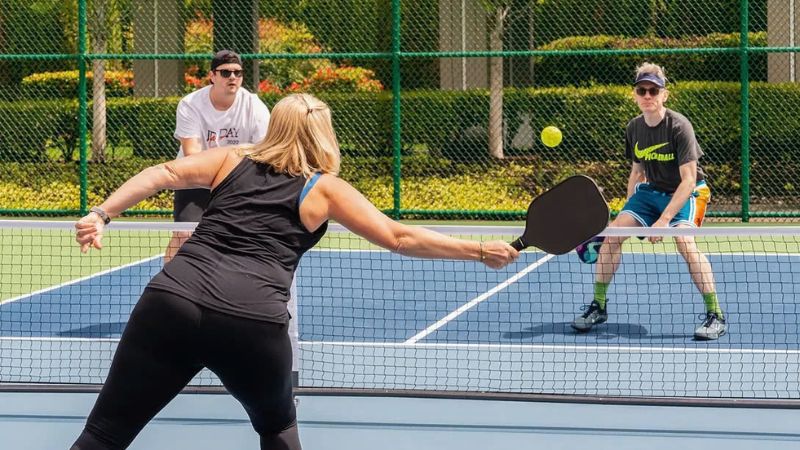
If you stepped outside at any point over the last two years, you were relentlessly bombarded by the rhythmic, plastic pop-pop-pop of the fastest-growing sport in the world.
Pickleball didn’t just trend; it staged a hostile takeover of global leisure culture. Empty parking lots were hastily repainted, country clubs faced literal civil wars between tennis purists and the paddle-wielding masses, and your Instagram feed was clogged with influencers in pastel sports skirts holding neon fiberglass rackets.
But as we cross the midway point of 2026, a colder, more analytical question is circulating through the boardrooms of sports retailers and lifestyle editors: Is the pickleball obsession finally cooling down, or has it permanently cemented itself as the new paradigm of modern recreation?
The Corporate Gold Rush and the Over-Saturation Point
To understand the current temperature of the pickleball phenomenon, you have to look past the local park and look at the sheer amount of capital that has been injected into the sport. We have officially reached the “peak infrastructure” phase
In the early days of the boom, players fought tooth and nail for court time. In 2026, the landscape looks completely different. Major entertainment-hospitality chains like Chicken N Pickel and the ultra-premium Camp Pickle, massive 40,000-square-foot complexes combining indoor courts with artisanal craft beer and chef-driven menus, have expanded into almost every major metropolitan area.
However, this aggressive commercialization has triggered the first real signs of a market correction. The initial novelty of simply finding a court has worn off. Consumers are no longer satisfied with sub-par setups. We are witnessing the death of the cheap, backyard plastic paddle kit.
Instead, the market has pivoted toward hyper-premium gear. Brands like Selkirk and Vatic Pro are launching raw carbon-fiber paddles priced north of $250, engineered with thermoformed edges and aerodynamic throats.
The sport isn’t necessarily dying; it is maturing. The casual hipsters who picked up the sport as an ironic pandemic hobby have largely drifted away, leaving behind a highly dedicated, affluent core demographic that treats the sport with the same financial intensity as golf.
The Celebrity Hype Machine Meets Reality
A massive catalyst for the pickleball explosion was the sudden, aggressive backing of the global elite. It became the ultimate lifestyle flex for the wealthy.
Everyone from Leonardo DiCaprio and Kim Kardashian to tech billionaires was spotted playing. Major athletes like LeBron James, Tom Brady, and Kevin Durant didn’t just play, they bought franchises in Major League Pickleball (MLP).
But what does that celebrity backing look like now? The shiny, initial PR sheen has faded, forcing the professional side of the sport to stand on its own two feet.
The television ratings for pro pickleball haven’t quite matched the explosive trajectory of its participation numbers. It turns out that while millions of people love playing pickleball because of its incredibly low barrier to entry, convincing those same people to sit on a couch and watch two professionals hit a plastic ball back and forth at hyperspeed is a much harder sell.
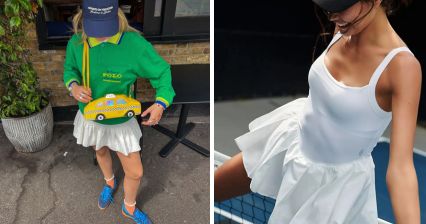
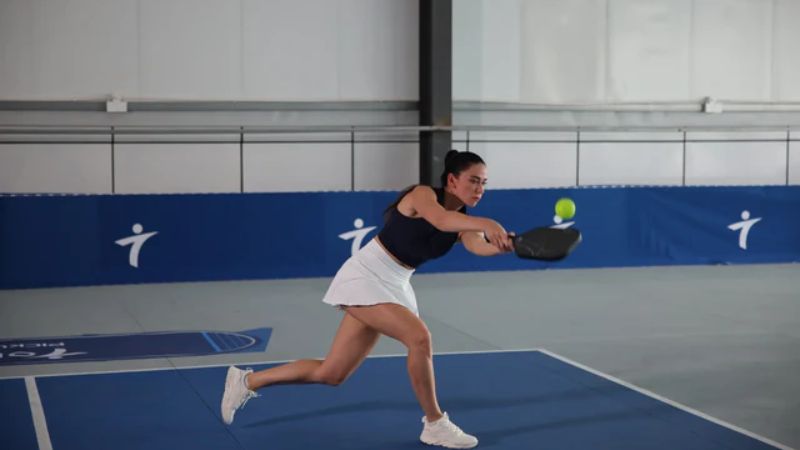
From a lifestyle perspective, however, the celebrity obsession has shifted from the court to the wardrobe. The fashion world has completely integrated pickleball into the broader “Athleisure” empire.
Luxury brands like Tory Burch, Recess, and Net-a-Porter have launched dedicated pickleball capsule collections. The aesthetic has outpaced the athletics; you are now just as likely to see someone wearing a luxury pickleball dress at a Sunday brunch in Malibu as you are to see them at a local club.
The Suburban Backlash and the Quiet Crisis
You cannot talk about the reality of pickleball without addressing its most infamous, polarizing trait: the noise. The distinct, high-frequency pitch of a composite paddle striking a perforated plastic ball has driven suburban neighborhood associations to the brink of madness.
The noise pollution wars have escalated into a multi-million dollar engineering sub-industry. Homeowners associations (HOAs) are actively banning the construction of courts within certain distances of residential zones, and local councils are facing heavy litigation from frustrated residents complaining of sleep disruption and property value drops.
This backlash has forced acoustic engineering companies to step in. The current tech trend is the rise of quiet tech paddles, utilizing specialized foam cores and dampening outer skins designed to absorb the high-pitch frequencies, alongside massive corporate investments in acoustic sound-barrier fencing around public courts.
This logistical hurdle has put a serious dampener on the unchecked, wild expansion of public courts, forcing the sport into indoor, sound-proofed commercial hubs rather than open-air neighborhood parks.
The Final Verdict on the Cool Down
So, has the pickleball bubble burst? The short answer is: No, but the temperature has fundamentally changed. The manic, chaotic hype phase where it felt like pickleball was going to completely eradicate tennis and golf from the cultural lexicon is officially over. The “cool down” we are witnessing is actually a healthy stabilization.
Pickleball has transitioned from an internet-addicted cultural craze into a permanent, institutionalized global sport. It has found its definitive lane as the ultimate social connective tissue for generations who find tennis too physically grueling and golf too expensive and time-consuming.
The casual tourist players have exited the stadium, the corporate infrastructure has stabilized, and what remains is a highly lucrative, deeply entrenched lifestyle subculture. It may no longer be the trendy new kid on the block, but pickleball has earned its permanent seat at the high-fashion sports table.