Lithium Ion Giants and the Battery Technology Revolution Engineering the Future of Electric Skateboarding

For decades, the skateboard was the ultimate symbol of analog, counter-culture rebellion. It was a simple piece of maple wood, four polyurethane wheels, and two metal trucks driven entirely by gravity and human muscle.
But as we move through 2026, the concrete jungle has been overtaken by a sophisticated, high-tech evolution: Electric Skateboarding (E-Skateboarding). What began as a niche gadget hobby for Silicon Valley commuters has matured into a high-stakes, professional-grade extreme sport, with elite riders hitting terrifying speeds of up to 45 mph (72 km/h) in closed-circuit urban racing leagues.
Yet, when you look at an electric skateboard, the deck, the trucks, and even the electric motors are not the real heroes of this performance revolution.
The true heart of the modern E-Skate experience lies entirely hidden beneath the grip tape. It is the battery pack. The rapid evolution of battery cell chemistry, management systems, and safety engineering has transformed the electric skateboard from a fragile commuter toy into a legitimate mechanical weapon.
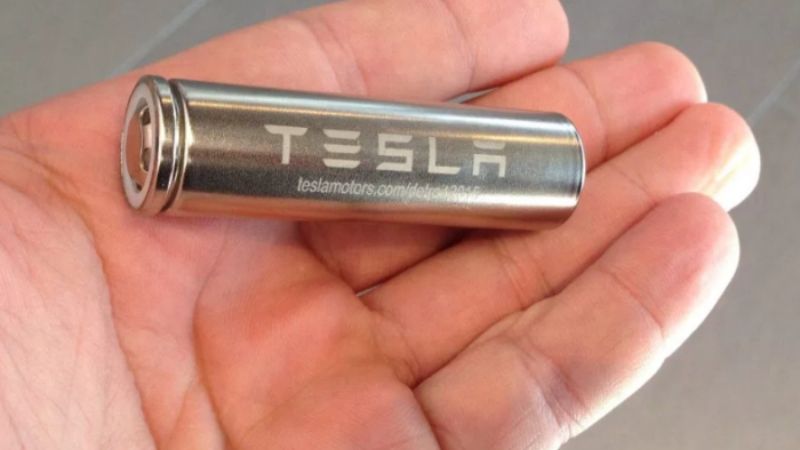
The Shift to 21700 and High-Discharge Chemistry
Let’s look past the marketing brochures and analyze the specific cylindrical cells packed inside the enclosure.
For years, the industry was held back by standard 18650 lithium-ion cells, the same form factor used in early laptop batteries. They were cheap, but they suffered from severe voltage sag under load, running hot and losing power the moment a rider tried to tackle a steep hill.
The modern E-Skate revolution officially kicked into high gear when premium manufacturers pivoted to the 21700 cell format. Measuring 21mm in diameter and 70mm in length, these slightly larger cells offer a massive leap in energy density and volumetric efficiency. But the true game-changer is the specific chemical composition inside these cells. Elite boards now exclusively utilize ultra-high-discharge cells, such as the legendary Molicel P42A or the newer Molicel P45B.
From an engineering perspective, the Molicel P45B is an absolute masterpiece of electrochemistry. It boasts a capacity of 4,500mAh paired with an incredible continuous discharge rating of 45 Amps.
When arranged in a typical high-performance configuration, such as a 12S4P pack (12 cells in series to boost voltage, 4 packs in parallel to boost capacity), the battery is capable of delivering a sustained output of over 7,000 Watts of raw electrical power. That is more horsepower than many commercial electric scooters, allowing heavy riders to blast up 30-degree inclines at 30 mph without experiencing a single millivolt of power drop-off.
Smart BMS and Regenerative Braking Architecture
Raw power is completely useless if it cannot be controlled, and in a sport where you are standing on a rolling plank of wood at 40 mph, power control is a literal matter of life and death. This is where the modern Battery Management System (BMS) comes into play. In 2026, a high-end E-Skate BMS is no longer just a passive circuit board that prevents overcharging; it is a highly sophisticated, telemetry-driven computer.
The modern smart BMS monitors the internal temperature, voltage, and internal resistance of every single individual cell parallel group in real-time via high-speed communication protocols (like CAN bus) connected directly to the board’s electronic speed controller (ESC). If a single cell group begins to overheat due to aggressive riding, the BMS does not simply shut the board down—which would launch the rider off the front of the deck. Instead, it utilizes predictive thermal throttling, subtly backing off the maximum current delivery by a tiny fraction to keep the rider safe while protecting the battery’s longevity.
Furthermore, the integration of advanced Regenerative Braking architecture has reached an unprecedented level of efficiency. When a rider pulls back on the remote control throttle to brake down a steep mountain pass, the electric hub or belt-drive motors immediately reverse their polarity, acting as generators that pump massive kinetic energy back into the battery pack.
The engineering challenge here is monumental: the battery must be capable of absorbing sudden, violent spikes of regenerative current (often exceeding 60 Amps) without overcharging the cells, especially if the rider starts their journey at the top of a hill with a 100% full battery. The smart BMS handles this by dynamically balancing the load, safely converting excess braking energy into heat dissipation through aluminum heat sinks, ensuring you never lose your brakes when you need them most.
Longevity, Safety, and Commercial Potential
When you look at the premium price tags of modern electric skateboards—with flagship models from top-tier brands like Lacroix, Hoyt St., or Exway easily commanding anywhere from $1,500 to $3,500 USD, it becomes clear that the battery pack alone accounts for roughly 40% to 50% of the total manufacturing cost. It is a massive financial investment, but when you evaluate the lifetime value, the potential is undeniable.
Historically, older lithium-ion packs suffered from rapid degradation, losing up to 30% of their total capacity after just 200 charge cycles. The ultra-premium 21700 cell architectures of 2026, managed by smart balancing algorithms, can easily survive over 500 to 800 full charge-discharge cycles before hitting their 80% health threshold. For an average rider, that translates to thousands of miles of maintenance-free riding, making the board a highly viable, eco-friendly alternative to a car or moped for urban commuting.
From a safety standpoint, the industry has also undergone a massive upgrade to address the historical anxieties surrounding lithium-ion thermal runaway. Premium boards now seal their battery packs inside impact-resistant, IP67 waterproof rated enclosures made of forged carbon fiber or aircraft-grade aluminum.
The internal cells are no longer glued together; they are separated by flame-retardant polycarbonate cell holders and wrapped in thick layers of aerogel or thermal insulation blankets. This rigorous engineering means that even if a rider violently bottom-out their deck against a concrete curb at high speed, the structural integrity of the electrical core remains completely uncompromised.
The New Frontier of Personal Micromobility
The hyper-evolution of battery technology in electric skateboarding has proven that true innovation happens when you squeeze massive performance into the smallest possible footprint. By mastering the delicate balance of high current discharge, smart thermal management, and rugged safety housing, engineers have turned a simple pavement cruiser into a high-performance vehicle.
As battery chemistry continues to edge toward the next frontier, such as solid-state cells that promise to double energy density while eliminating thermal risks entirely, the potential for E-Skateboarding is practically boundless. It has completely outgrown its counter-culture roots to establish itself as a permanent, cutting-edge pillar of the global micromobility movement.
Whether you are an adrenaline junkie racing through urban street circuits or a daily commuter bypassing city gridlock, the silent, invisible giant beneath your feet is ready to deliver a masterclass in modern electrical power.