The Rise of the Run Club Cult and How Gen Z Turned Road Running Into the New Dating App

For decades, the sport of running possessed a highly specific, slightly masochistic reputation. It was perceived as a solitary, grueling endeavor, the domain of hyper-disciplined athletes waking up at the crack of dawn to chase personal records in total isolation.
If you ran, you did it to escape people, accompanied only by the rhythmic thumping of your sneakers against the asphalt and whatever playlist was pumping through your wired headphones.
But as we cross into the summer of 2026, the global sports landscape has encountered a massive cultural plot twist. Running hasn’t just grown; it has undergone a complete sociological reinvention. Led by Gen Z, running has been stripped of its isolated, purely athletic identity and transformed into the ultimate social status symbol, a premier community building tool, and, most shockingly, the definitive replacement for digital dating culture.
The Pavement Boom
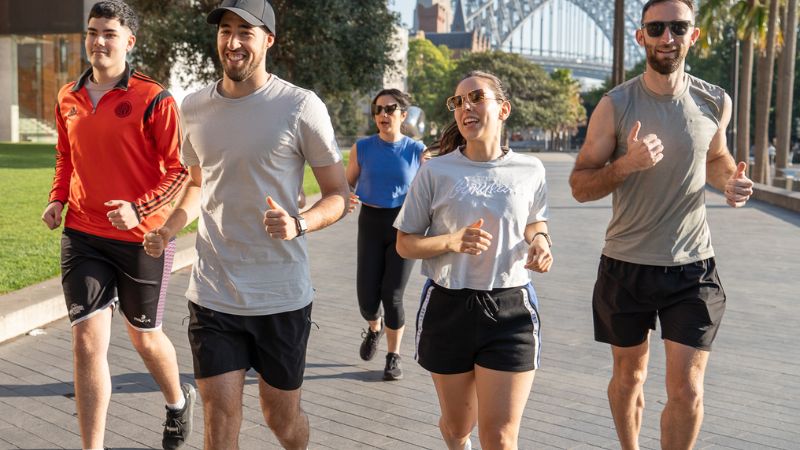
We think you have to look past the aesthetic TikTok videos and dive straight into the staggering statistical metrics. According to comprehensive consumer data published by the LADbible Group’s LADnation youth panel, a massive 49% of the Gen Z audience now hits the pavement on a monthly basis.
More importantly, the data completely shatters the myth of the lone runner: an overwhelming 75% of Gen Z runners now explicitly prefer to run with a partner or as part of a collective group.
This behavioral shift is causing massive records to tumble across the global fitness economy. Look at the pinnacle of endurance running, the marathon. Data compiled by Empower on the marathon retail boom reveals that during recent major events like the New York City Marathon, which broke world records with over 55,000 finishers, the demographic slice of Gen Z finishers (specifically ages 20 to 24) has surged significantly since 2021.
Furthermore, on platforms like Strava, the definitive social network for workout tracking, Gen Z has emerged as one of the fastest-growing and most digitally active demographics, with Gen Z women now making up 20% of all runners on the platform.
Ditching the Nightclub for the Run Club
The truly fascinating perspective on this phenomenon is the psychological “why.” Previous generations, namely Millennials, embraced fitness through hyper-exclusive, curated indoor environments.
They spent fortunes on boutique spinning classes, dark HIIT studios with club-style lighting, and high-end yoga sanctuaries. Gen Z has completely rejected this indoor isolation. They are craving raw, unfiltered, outdoor human connection.
We are currently witnessing a generational fatigue with traditional nightlife and digital interaction. Gen Z is drinking less alcohol, heading to nightclubs less frequently, and experiencing a profound exhaustion with the superficial, algorithm-driven world of dating apps like Tinder or Hinge. The endless swiping has resulted in digital burnout, creating an existential craving for organic, face-to-face encounters.
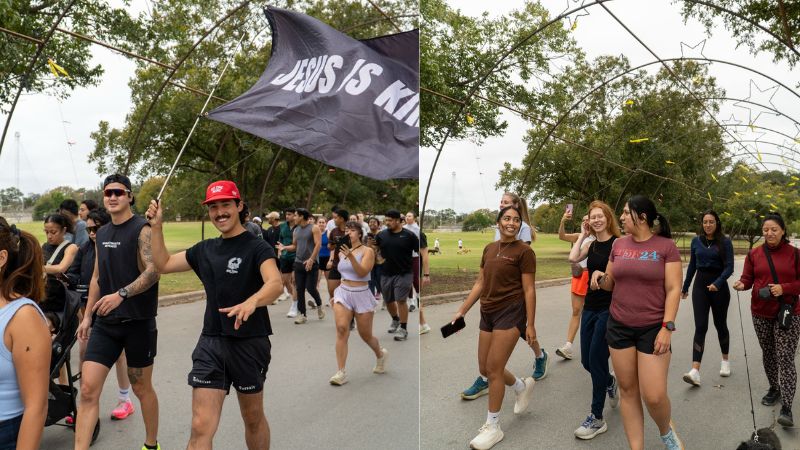
Enter the modern urban run club. According to the LADbible study, 72% of Gen Z participants explicitly state they attend run clubs primarily to meet new people rather than to improve their athletic performance. In fact, 22% of Gen Z runners, a metric significantly higher than their Millennial counterparts, openly agree with the cultural statement that “Run clubs are the new dating app.” It is a brilliant behavioral loop.
By meeting someone at a run club, you instantly clear several high-value filters: you know they value health, they possess a baseline of discipline, they enjoy being outdoors, and you get to see them in an unpolished, authentic environment without the curated deception of a social media profile.
The data backs up this romantic shift perfectly: fitness tracking platform Strava reported in their year-end trend data that one in five Gen Z users have gone on a literal date with someone they met directly through exercise, making them four times more likely to seek out romantic partners while working out rather than at a bar.
The High Fashion S s Sartorial Uniform of the New Social Runner
You cannot analyze a Gen Z subculture without dissecting the fashion, because for this generation, the clothing is the lifestyle statement. The rise of the social run club has created a multi-billion dollar retail boom that has completely rewritten the rules of streetwear. In the past, running gear was purely utilitarian – neon neon mesh shirts and bulky, unflattering shorts designed strictly to wick away sweat.
Today, the run club lane is a high-fashion runway. Gen Z uses platforms like TikTok and Instagram to source their running wardrobe, with 63% of runners discovering their technical gear through social media feeds. The aesthetic demands premium, minimalist pieces that transition seamlessly from a 5K jog to a high-end specialty coffee shop for a post-run iced matcha latte.
This has triggered a massive market disruption. Legacy sportswear giants are fighting tooth and nail against independent, premium running brands that treat design with haute couture intensity. Labels like District Vision, Satisfy Running, and On Running have become the ultimate cultural status symbols.
It is a world where a single pair of ergonomically engineered, carbon-plated running shoes or a minimalist, trail-ready running vest can cost upwards of $300 USD. Gen Z is wearing this gear not just to run, but as a daily wardrobe staple, projecting an aura of active, high-performance wealth and wellness.
The Strategic Shift From Athletics to Community
The great Gen Z running boom proves that the ultimate luxury in 2026 is no longer exclusivity or isolation, it is collective, authentic human community. By taking one of the oldest, simplest forms of exercise on earth and stripping it of its elitist, high-performance intimidation, this generation has built a highly inclusive sanctuary.
The run club has become the new modern church, the new corporate networking golf course, and the new neighborhood singles mixer all wrapped into one dynamic package. It doesn’t matter if your pace is a blistering five-minute mile or a casual, conversational jog; the community values the shared physical effort and the digital-detox connection above all else.
As long as the loneliness epidemic and dating app fatigue continue to challenge the modern world, you can expect the streets of every major global city to remain completely occupied by the thunderous, joyful, and beautifully chaotic footsteps of the social running movement.